To truly appreciate the rivalry between these two iconic automotive brands, examine their engineering philosophies and market strategies. Each manufacturer has carved its own niche, defined by loyalty from passionate enthusiasts. Understanding these distinctions enhances appreciation for their respective legacies.
Performance has always been a cornerstone for both brands. One company consistently delivers muscle and speed that captivates speed enthusiasts, while the other emphasizes reliability and innovation in design. The engineering choices made in response to consumer demands have created a dynamic that fuels competition and fosters advancement in the automotive sector.
Consider the significance of cultural impact. Each brand has left an indelible mark on the fabric of American society, from classic films showcasing powerful vehicles to iconic slogans that resonate with generations. This cultural connection influences not only buyers’ preferences but also shapes the identity of the automotive landscape.
When discussing these manufacturers, engage with their extensive histories, exploring how each responded to economic challenges, regulatory changes, and shifting consumer preferences. Analyzing these adjustments provides insight into their resilience and adaptability within a competitive market.
Mopar and Chevrolet: A Clash in Detroit History
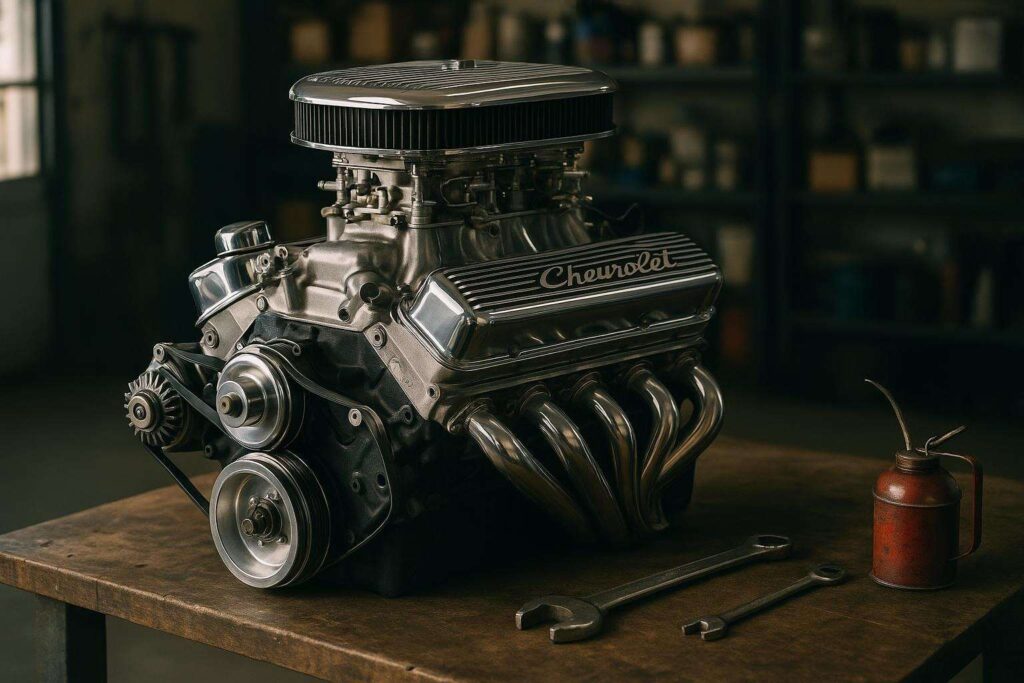
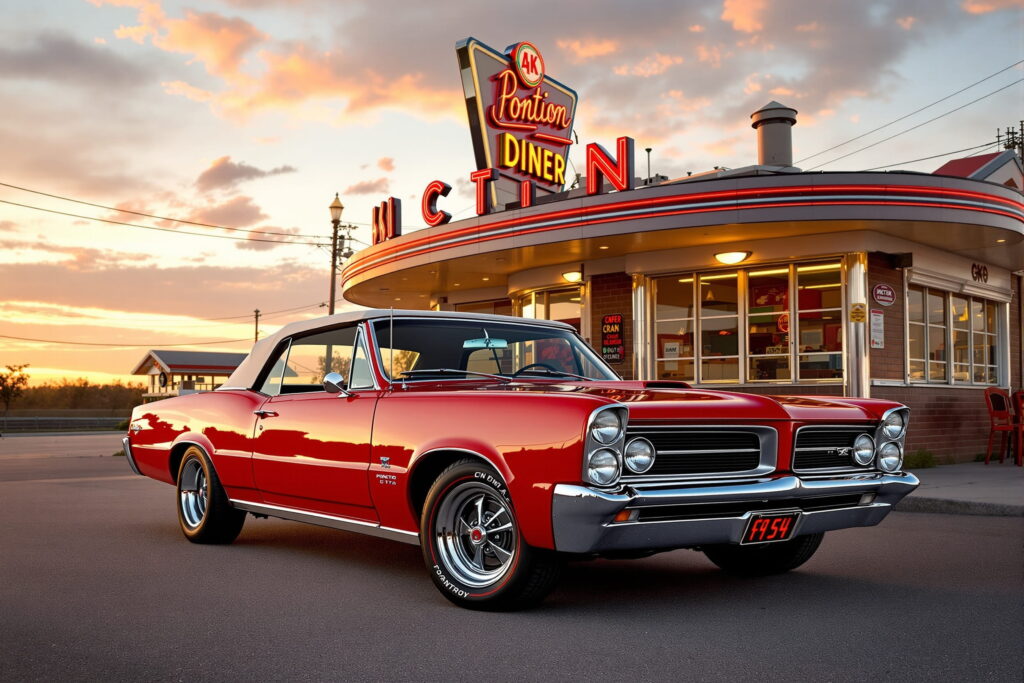
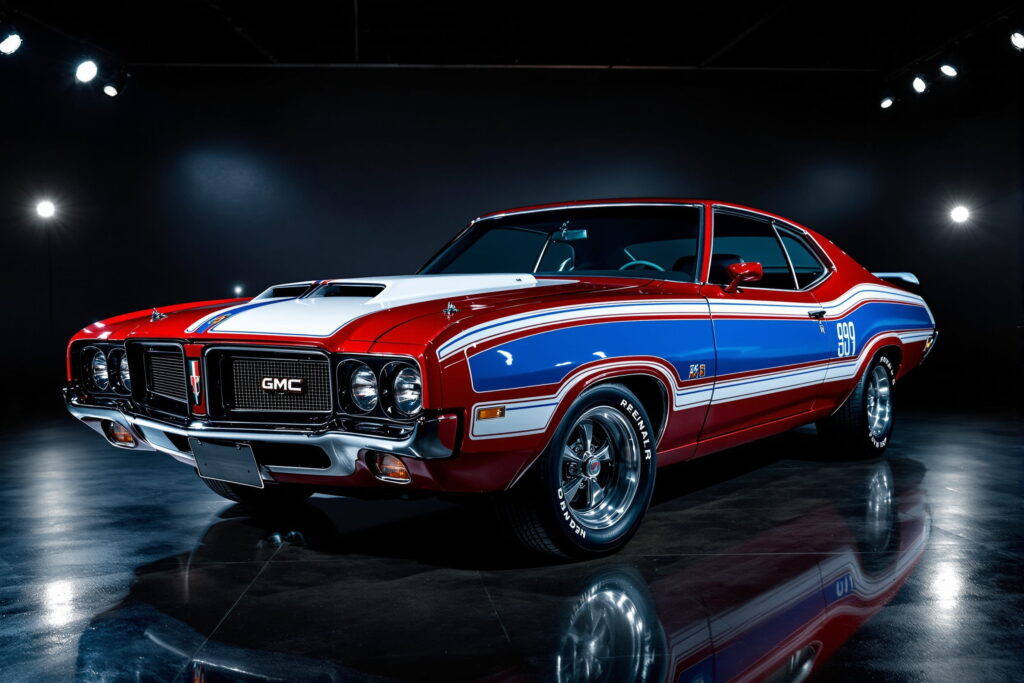
The rivalry between these automotive giants shaped the manufacturing scene, particularly with performance models that ignited public interest. The muscle car era of the 1960s and 1970s saw fierce competition, with each brand trying to outdo the other in speed, power, and style. For enthusiasts, options like the Hemi engines and the SS models became iconic, representing more than just cars–symbolizing engineering triumph. Car shows and drag races became vibrant platforms for showcasing these high-performance vehicles, enhancing their cultural footprint.
Innovation played a key role in defining the strategies of both brands. The introduction of groundbreaking technologies, such as turbocharging and advanced fuel systems, pushed boundaries in performance and efficiency. This atmosphere of innovation fostered a range of offerings that appealed to diverse consumer preferences. Collectors began to appreciate rare models, creating a secondary market that thrived on auction houses and online platforms.
Brand loyalty emerged as a significant byproduct of this rivalry, with enthusiasts often identifying strongly with their favorite nameplates. Clubs and online forums dedicated to each manufacturer proliferated, fostering deep connections among fans. Events like the Woodward Dream Cruise highlighted the passionate communities surrounding the vehicles, reinforcing the tie between consumers and these major manufacturers.
Legacy continues to influence the current state of the automotive industry. Recent collaborations and technological advances reflect the ongoing impact of past competitions. The focus has shifted slightly with an increased emphasis on sustainability and electric vehicles, yet the competitive spirit remains alive. Understanding the nuances of this storied rivalry provides insight into the evolution of automotive design and marketing strategies still relevant in today’s marketplace.
Comparative Analysis of Mopar and Chevrolet Performance Models
For enthusiasts seeking both style and speed, studying the performance variants from these two American automotive giants reveals clear distinctions. The engineering behind the two brands presents diverse approaches to power delivery and handling.
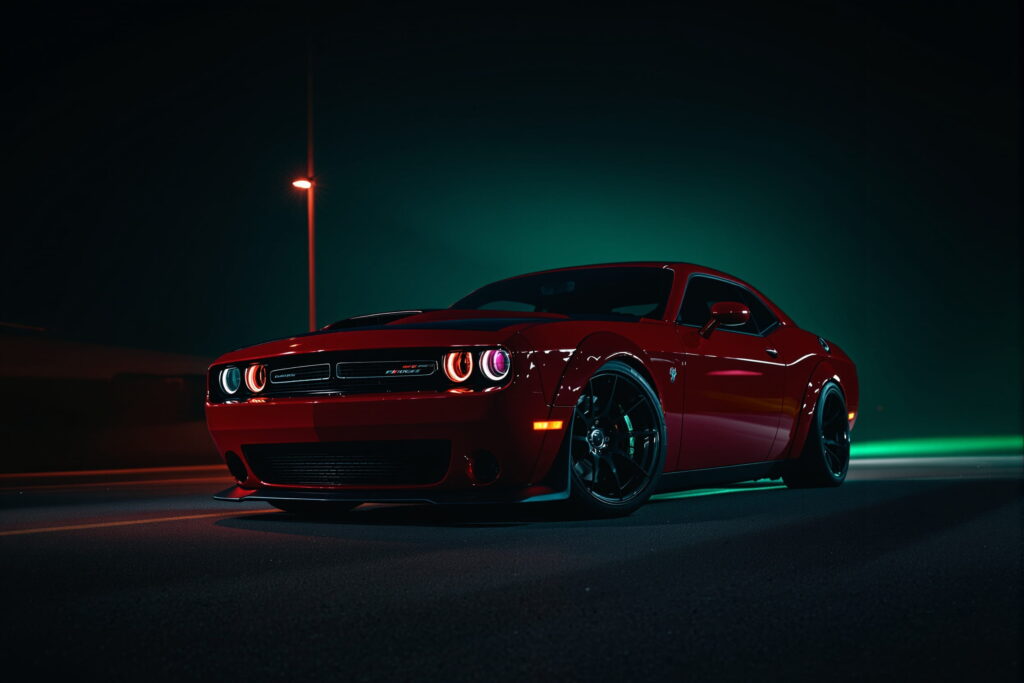
The Chrysler group typically emphasizes raw horsepower in their high-performance vehicles, such as the Dodge Challenger Hellcat. With a supercharged V8 engine producing over 700 horsepower, it offers breathtaking acceleration. In comparison, the activities of the competitor, like the Chevrolet Camaro ZL1, tend to balance its performance with advanced aerodynamics, resulting in a well-rounded track capability while still achieving substantial power figures around 650 horsepower.
Weight distribution plays a critical role in handling. Models from the first brand often prioritize a dynamic driving experience with rear-wheel drive platforms. Such configurations enhance traction when launching, making vehicles feel more aggressive on streets and tracks alike. The rival models additionally utilize similar setups, though some editions feature all-wheel-drive options that improve grip during adverse weather conditions.
Technology integration varies significantly between these fierce rivals. The infotainment systems in models like the Dodge Charger offer intuitive controls, but fluctuations in performance measurement tools have shown statistical advantages for the Corvette, which incorporates advanced telemetry systems for real-time performance data.Drivers who prefer modern connectivity may find the latter’s interfaces more user-friendly.
Ultimately, personal preference determines the winner in this showdown. Each model provides a unique experience: thrilling power from destinations like the Dodge Viper or track-focused brilliance of the Camaro SS. Choose based on driving style, desired technology, and performance requirements to discover which legacy suits your passion.