American muscle cars have always been a symbol of freedom and raw power, in the car world. These iconic vehicles are not just cars they are a mix of history, culture and engineering. When we learn about how American muscle cars came to be we appreciate muscle cars more and we also learn about the car culture that has grown up around American muscle cars. From their beginnings to the muscle cars they are today the story of American muscle cars tells us a lot about how society has changed and how technology has improved.
The Birth of American Muscle Cars
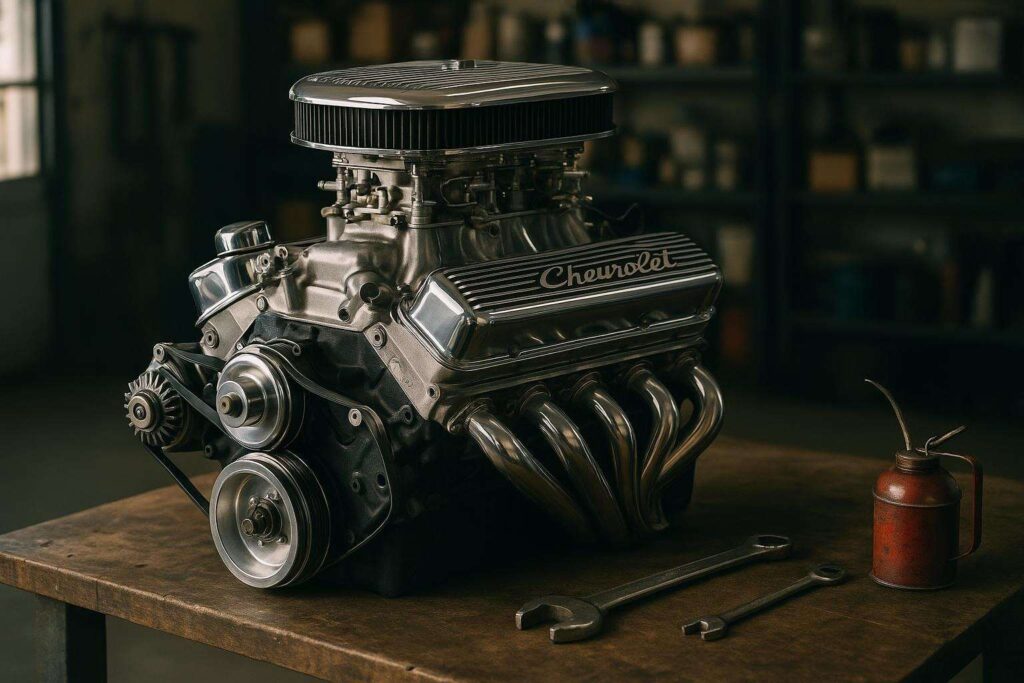
The late 1940s and early 1950s were when the American muscle car era started. After World War II Americans wanted speed and performance. Car makers like Chevrolet and Ford started putting engines in cars. The 1949 Oldsmobile Rocket 88 is often called the muscle car because it had a lightweight body and a powerful 303 cubic inch V8 engine. This was a moment when it started a kind of car that was made for speed and was affordable for people.
During this time the car world was changing fast. The Interstate Highway System was introduced in the 1950s it gave people roads to drive on which was perfect for testing these muscle cars. As it became easier to travel American families wanted muscle cars that were not just practical but fun to drive.
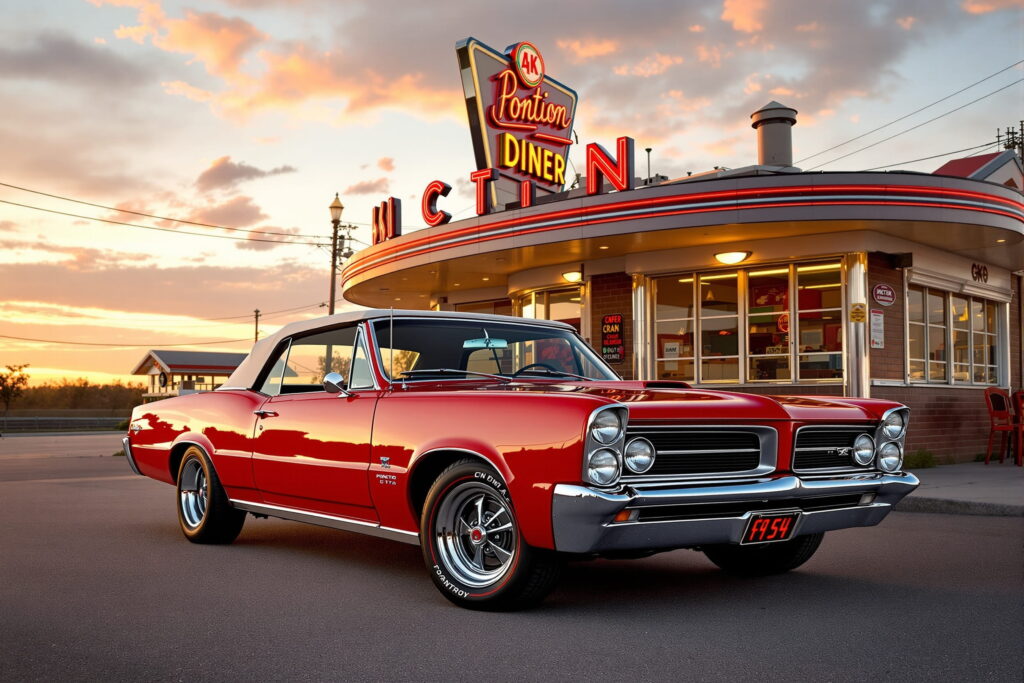
As the 1960s started competition between car makers got fierce. Brands like Pontiac introduced muscle cars like the GTO, which is often said to be the muscle car that defined the American muscle car segment. The GTO had a V8 engine and a sporty look it captured the imagination of a generation. The success of the GTO made other car makers want to join in it started an age of muscle cars with muscle cars like the Ford Mustang, Dodge Charger and Chevrolet Camaro becoming very popular. Each of these muscle cars had its style and performance it made for a diverse and competitive market that many people were interested in.
The Cultural Impact of American Muscle Cars
muscle cars had an impact on culture they were not just about how fast they could go or how many were sold. American muscle cars became a part of pop culture they were in movies TV shows and music. Movies like "Bullitt" and "American Graffiti" featured these muscle cars they became a part of life. The sound of a V8 engine became synonymous with freedom and rebellion it appealed to people, people. The sound of the engine combined with the designs made these American muscle cars symbols of youth culture and independence.
Car culture in the 1960s and 1970s was about the excitement that these American muscle cars brought. People who loved muscle cars would meet up for drag races they would show off their muscle cars and the modifications they had made. This culture was not about speed it was about community and shared passion. Events like the Muscle Car Nationals celebrated this lifestyle it allowed fans to see American muscle cars and meet other people who loved American muscle cars just as much as they did. The friendships and bonds that were formed at these events often lasted for generations. Families would go to these events together it created a love for muscle cars thats still alive today.
Challenges and Changes
The American muscle car era faced challenges in the 1970s. The oil crisis and rising insurance rates made car makers think about their strategies. As fuel prices went up the market for muscle cars started to decline. The government introduced emissions standards it forced car makers to reduce the power of their engines. The golden age of muscle cars started to fade many classic American muscle car models were becoming less popular. The introduction of fuel- cars and changing consumer priorities created a storm that left many American muscle cars behind.
The love for muscle cars did not die. People who loved these muscle cars kept them alive through restoration projects and car shows. The American muscle car community adapted and evolved many owners modified their muscle cars to meet standards while keeping the spirit alive. This kept interest in muscle cars alive it led to a resurgence in popularity in the 1990s and early 2000s. The nostalgia for these muscle cars combined with a renewed interest in automotive history created a new wave of appreciation among collectors and casual fans.
The Muscle Car Revival
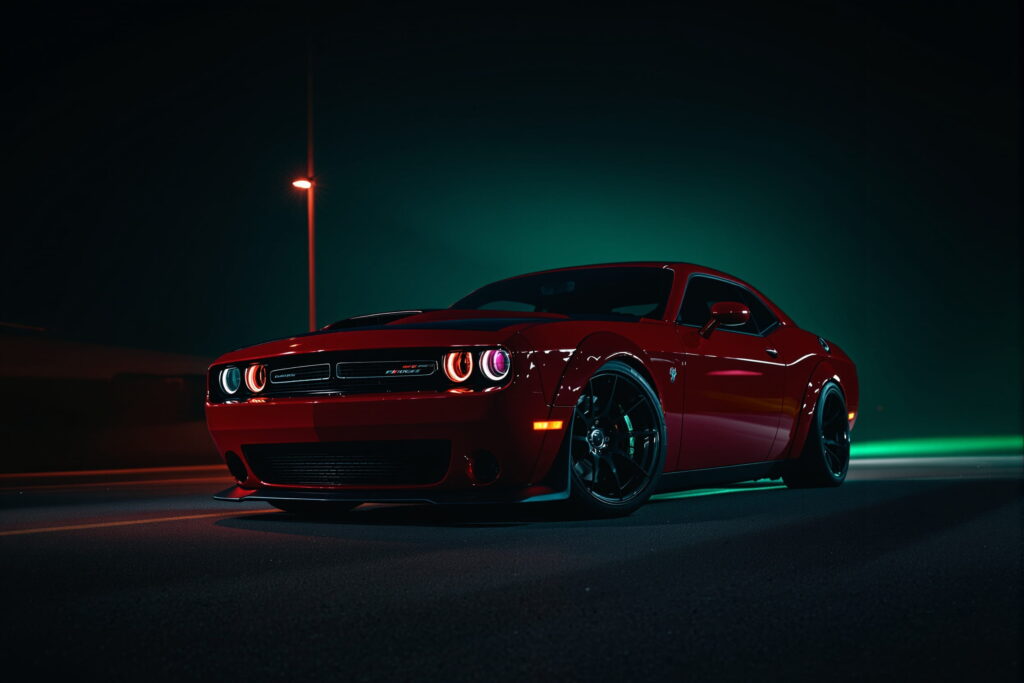
Todays American muscle cars owe a lot to their predecessors. They have also adopted technology and design. Car makers like Ford, Dodge and Chevrolet have made strides in combining looks with performance. The Ford Mustang for example has been updated times it now has engines and features while keeping its iconic design. The latest models have cutting-edge technology improved safety features and better fuel efficiency without losing the power that American muscle cars are known for.
American muscle car events and gatherings are still very popular they attract fans from over. From car shows to drag strips there is a sense of community among enthusiasts. Many clubs have formed around brands or models it has created a community of people who love muscle cars. The culture is still vibrant with clubs and online forums dedicated to everything from restoration to performance modifications. Whether its a race at the track or a cruise-in on a Saturday night the spirit of muscle car enthusiasts is alive and well.
Preserving the Legacy
As time passes, preserving the legacy of muscle cars becomes more important. Collectors and enthusiasts work hard to restore muscle car models so that future generations can appreciate their significance. Organizations that are dedicated to muscle car preservation play a role in maintaining the integrity of these vehicles. They provide resources for restoration offer guidance on authenticity and promote awareness of the legacy that these American muscle cars represent.
People who want to buy or restore muscle cars should be careful. The market can be full of parts. Its not easy to tell what's real and whats not. It's essential to do research and consult with sources when buying or restoring American muscle cars. This not protects your investment. Also ensures that the historical integrity of the vehicle is preserved for future enthusiasts.
In summary American muscle cars are not high-performance vehicles they are a part of automotive history and culture. The story of muscle cars tells us a lot about how America has changed it reflects not advances in technology but also societal shifts and the enduring love, for speed and freedom. Whether you're a long-time fan or just starting to learn about muscle cars the legacy of muscle cars continues to inspire and excite reminding us of a time when power and performance were what mattered most.